Compound Selection
Four Weight Loss Research Compounds. Four Different Targets. Most Buyers Cannot Tell Them Apart.
TIRX, RETX, SEMX and CARG are not four versions of the same thing. They act on different receptors, and the difference decides which one belongs in your protocol. Here is the plain breakdown, and how to confirm which is which before you order.
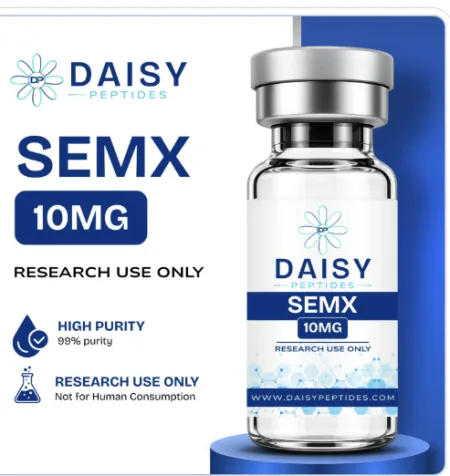
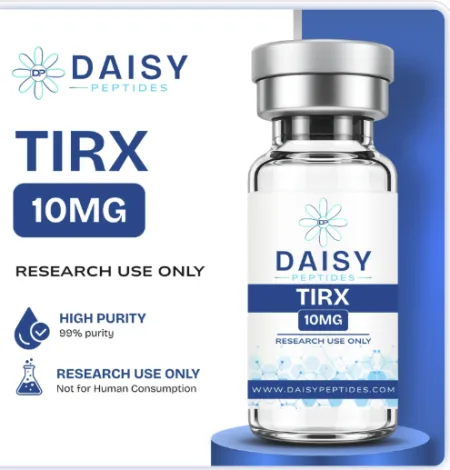
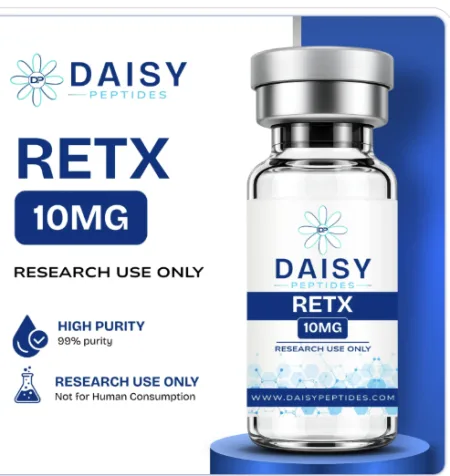
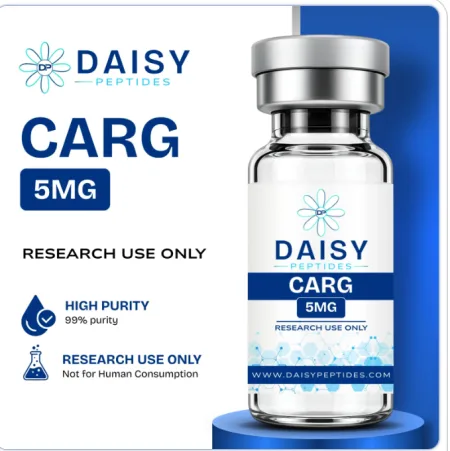
Four listings, four different receptor targets. The product names are codes and tell you none of it.
Walk into this category cold and the four names look interchangeable. TIRX, RETX, SEMX, CARG. Same branding, same vial, similar prices, no explanation anywhere on the shelf.
They are not interchangeable. They are four different compound classes that happen to be studied in the same research area, and they act on different receptors.
Here is the difference in plain language, then the one line on the certificate that lets you confirm it.
The identity line is on the certificate, not the label.
Because the products ship under codes, the batch certificate on each listing states which compound class you are looking at.
See the compounds →1One receptor
The original and most studied group in this space acts on a single receptor, the GLP-1 receptor. It is the compound class the entire research area was built on, and the one with by far the longest published literature behind it.
If your work needs to sit alongside existing published studies, the single-receptor class is the one most of that literature is about.
One target. The deepest body of prior research to compare against.
2Two receptors
The next group acts on two receptors at once, GIP alongside GLP-1. Adding a second target changes the compound's behaviour in ways the single-receptor literature does not describe, which is precisely why it became a separate research area rather than a footnote to the first.
On the published Daisy certificate, TIRX carries the identity line GLP TZ, which is what places it in this dual-receptor group.
Two targets. A separate literature from the single-receptor class, not an extension of it.
3Three receptors
The newest group adds a third receptor target on top of the other two. It is the least studied of the three because it is the most recent, which cuts both ways: more open questions, and less prior work to lean on.
RETX carries the identity line GLP RT on its published certificate, placing it in this triple-receptor group.
Three targets. Newest, thinnest literature, most open questions.
4A different family altogether
The fourth is the one people most often misfile. It is not an incretin compound at all. It belongs to the amylin family, which acts on a different receptor group entirely.
That is why it appears in research designs alongside the others rather than instead of them. Treating it as a fourth flavour of the same thing is the single most common mistake in this category.
Different receptor family. Studied alongside the incretins, not as a substitute for them.
Two of the four currently have published certificates. The other two are listed as pending on the lab reports page. That is worth knowing before you order, and it is exactly the kind of thing this article is telling you to check.
5Why everything ships under a code
The codes are not an affectation. Compound names in this class are attached to registered trademarks held by pharmaceutical companies, and a research supplier using those names on a label invites a problem that has nothing to do with what is in the vial.
So the vial gets a code and the certificate carries the identity. It is a reasonable solution to a real constraint, and it has one consequence for you: the label is no longer the thing that identifies the product. The document is.
In this category, reading the certificate is not diligence. It is the only way to know what you bought.
6How to pick, in order
- Decide how many receptors your work needs to involve. One, two, or three, or the amylin family entirely.
- Check the identity line on the certificate against the class you meant to order.
- Check whether a certificate exists yet at all. Two of these four are pending.
- Read the net content, not just the purity. The published lots run at or above their label claim.
- Match the lot number on the document to the vial when it arrives.
Pick the target first. Then read the document.
The four codes are the least informative thing about these compounds. The certificate is the most.
See the compounds →
Comments
I genuinely thought these were four brands of the same compound. The amylin one being a completely different family was news to me.
Same. That is the mistake the article says is most common and I was making it.
Appreciated that it says outright which two certificates are still pending instead of glossing over it.
The explanation for the codes finally makes sense. I assumed it was to dodge something. Trademark makes more sense.
Which is exactly why the identity line matters. The label cannot tell you.
Checked the two published ones and both list net content above the label claim. Not what I expected going in.